Creating a home workspace that is both productive and personalised to your lifestyle can transform the way you work. Whether you’re working remotely, freelancing, or simply need a dedicated area for projects, a well-designed workspace supports focus, creativity, and comfort. Here are some helpful tips to guide you in crafting a home office that suits your individual needs.
Understand Your Work Habits and Needs
Before making any changes, reflect on how you work best and what you require from your workspace.
– Identify your work style: Do you prefer absolute quiet or some background noise? Are you a morning person who needs bright light or do you work better with softer lighting in the evening?
– List essential equipment: Make a note of the devices, tools, and materials you use daily. Ensuring your workspace comfortably accommodates these is crucial.
– Consider your work schedule: If you have flexible hours or split tasks across the day, your workspace should adapt accordingly.
Knowing these details helps you create a functional environment tailored to you.
Choose the Right Location
Selecting an appropriate spot in your home is a key first step.
– Find a quiet area: Choose a space away from household noise and distractions, especially if you take calls or need concentration.
– Look for natural light: Working near windows can improve mood and energy. However, be mindful of glare on screens.
– Consider space availability: Not everyone has a spare room. Even a corner of the living room or bedroom can be transformed with the right setup.
Invest in Comfortable and Ergonomic Furniture
Comfort influences productivity. Spending time in an uncomfortable chair or cramped desk space can lead to fatigue and pain.
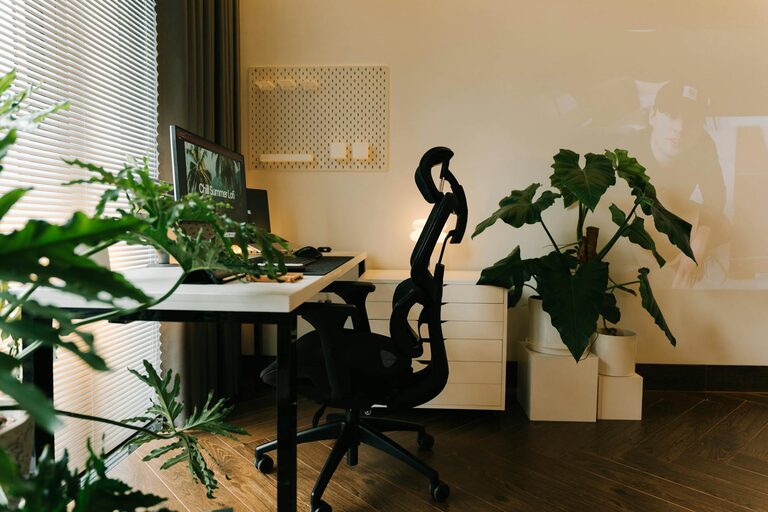
– Ergonomic chair: Look for adjustable height, lumbar support, and comfortable cushioning.
– Desk size and height: Your desk should accommodate your equipment without cluttering. The height must allow your arms to rest comfortably.
– Standing desk options: If you prefer to alternate sitting and standing, consider adjustable desks or platforms.
Organise Your Workspace Efficiently
A tidy, organised workspace reduces stress and helps you find what you need quickly.
– Declutter regularly: Remove items that don’t directly relate to your work.
– Use storage solutions: Drawers, shelves, and desk organisers keep supplies in order.
– Cable management: Use clips or ties to keep cables neat and prevent tangles.
Personalise Your Space Without Distracting
Adding personal touches can make your workspace inviting and inspiring, but moderation is key to avoid distractions.
– Photos or artwork: Choose images that motivate or soothe you.
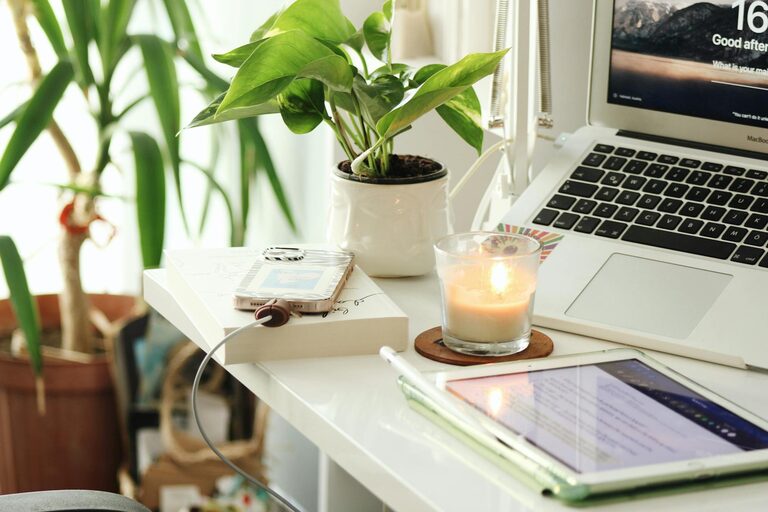
– Plants: Indoor plants improve air quality and add freshness.
– Colours: Use colours that promote focus; for many, soft blues, greens, or neutral tones work well.
Optimise Lighting
Proper lighting reduces eye strain and maintains alertness.
– Natural light: Maximise window access but minimise glare.
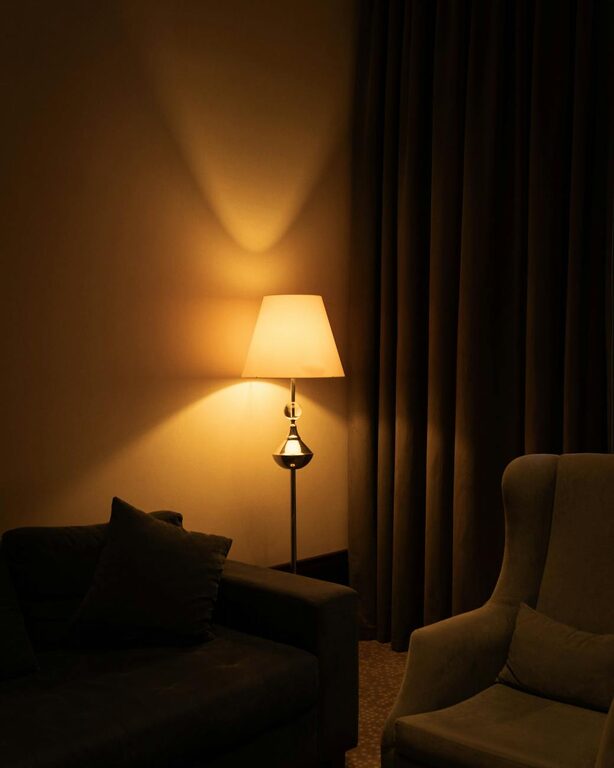
– Task lighting: Use desk lamps with adjustable brightness and direction.
– Ambient lighting: Balance the overall room lighting to avoid harsh contrasts.
Minimise Distractions
Creating boundaries helps to keep work time productive.
– Signal availability: If living with others, use signs or signals to indicate when you shouldn’t be disturbed.
– Noise control: Use noise-cancelling headphones or white noise machines if necessary.
– Limit digital distractions: Turn off unnecessary notifications or use focus mode on devices.
Create a Routine and Maintain Your Space
A productive workspace also depends on habits.
– Keep regular hours: Set a schedule that aligns with your natural rhythms.
– Clean daily: A quick tidy-up at the end of the day prepares you for tomorrow.
– Take breaks: Step away from your workspace regularly to refresh your mind.
Adapt and Evolve Your Setup
Your needs might change over time, so be flexible.
– Review periodically: Assess what works and what doesn’t.
– Make adjustments: Rearrange furniture, upgrade equipment, or refine organisation as needed.
– Stay open-minded: Experiment with new layouts or tools to improve your workflow.
—
Designing a home workspace that suits your lifestyle enhances productivity and wellbeing. By carefully considering your habits, environment, and comfort, you can create a space where work feels natural and focused. Take the time to tailor your setup – the benefits to your work and happiness will be well worth it.
About the Author