Creating a home office space that is both relaxing and productive can be a game-changer for anyone working from home. Finding the right balance helps you stay focused during work hours while also reducing stress and fatigue. Whether you have a dedicated room or just a small corner, some thoughtful adjustments can make a big difference. This guide offers practical tips to help you build an ideal home office environment.
Choose the Right Location
Consider Natural Light
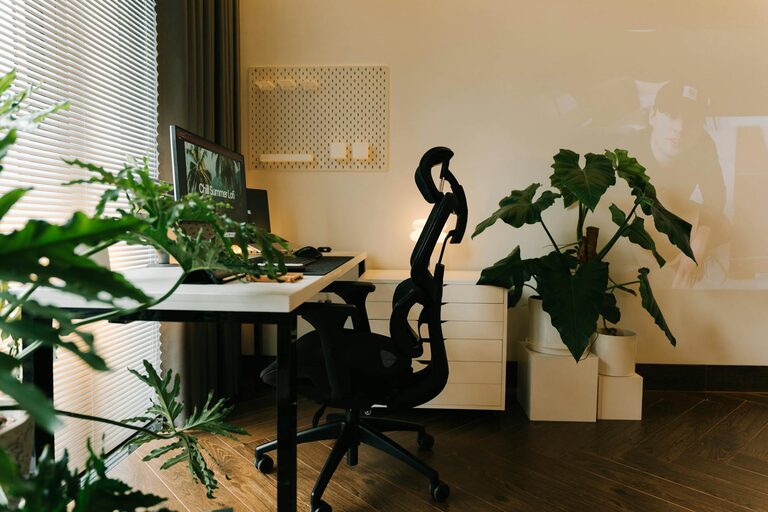
Position your desk near a window if possible. Natural light helps improve mood and reduces eye strain, making long work hours easier to manage. If natural light is limited, invest in good quality artificial lighting, such as daylight LED bulbs, that mimic natural light.
Minimise Distractions
Pick a quiet spot away from noisy areas like the kitchen or living room. A location with minimal foot traffic will help you focus and maintain a professional mindset while working.
Invest in Comfortable Furniture
Ergonomic Chair and Desk
A comfortable chair with good lumbar support is essential. Ergonomics reduce the risk of back and neck pain. Pair this with a desk at the right height to keep your arms and wrists in a relaxed position.
Consider Adjustable Options
Height-adjustable desks allow you to switch between sitting and standing during the day, which can boost energy and improve posture.
Organise Your Workspace
Declutter Regularly
A tidy workspace reduces mental clutter. Use cable organisers, drawers, and file holders to keep your desk neat and essential items within easy reach.
Use Storage Solutions
Shelves, cupboards, and desk organisers help manage paperwork and office supplies, keeping the area organised and efficient.
Create a Calming Atmosphere
Choose Soothing Colours
Soft, neutral tones like pale blues, greens, or greys create a calming environment. Avoid overly bright or dark colours that may trigger stress or fatigue.
Add Personal Touches
Incorporate elements that make you feel comfortable, such as plants, artwork, or photos. Plants, in particular, can improve air quality and add a touch of nature.
Control Noise Levels
Consider noise-cancelling headphones or soft background music to block distracting sounds. Alternatively, white noise machines can help create a peaceful atmosphere.
Set Up Proper Technology
Reliable Equipment
Ensure your computer, monitor, keyboard, and mouse are comfortable and reliable. A good quality monitor reduces eye strain, while a keyboard and mouse suited to your typing style can prevent repetitive strain injuries.
High-Speed Internet
Stable internet is crucial for uninterrupted work, particularly if your job involves video calls or uploading large files.
Manage Lighting Effectively
Layer Your Lighting
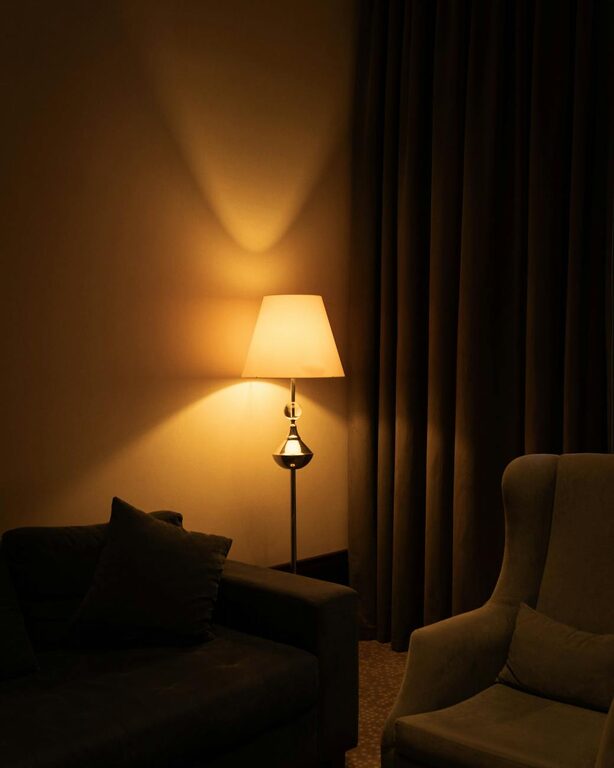
Combining ambient, task, and accent lighting provides flexibility. Ambient lighting creates overall illumination, task lighting focuses on your work area, and accent lighting adds mood and depth.
Avoid Screen Glare
Adjust your monitor’s position and lighting to reduce glare and reflections, helping to reduce eye fatigue.
Incorporate Break and Relaxation Zones
Include a Comfortable Chair or Cushion
If space allows, add a small seating area separate from your desk to take breaks and relax, which enhances productivity and wellbeing.
Use Aromatherapy or Diffusers
Aromatic scents like lavender, chamomile, or peppermint can promote calmness and focus. Use essential oil diffusers discreetly to avoid overwhelming scents.
Establish a Routine and Boundaries
Set Working Hours
Create clear start and finish times for work. This helps separate professional and personal life, reducing burnout.
Communicate Boundaries
If you share your home, communicate your work hours to others to minimise interruptions.
Optimise Temperature and Air Quality
Maintain Comfortable Temperature
Ensure the room is not too hot or cold. Proper ventilation improves air quality, which is essential for concentration and comfort.
Use Air Purifiers
If you live in an area with poor air quality or allergens, air purifiers can create a healthier workspace.
Incorporate Movement
Stretch and Move Regularly
Set reminders to stand, stretch, or take short walks to reduce stiffness and improve blood circulation.
Use Desk Accessories
Consider accessories like footrests or balance boards to encourage subtle movement during sitting periods.
—
Creating a home office that supports both relaxation and productivity is about designing a space that meets your needs comfortably and functionally. By thoughtfully selecting your location, furniture, and atmosphere, you can create an environment where work feels easier and more enjoyable. Remember, small changes can have a big impact on your daily work experience and wellbeing.
About the Author