Creating a relaxing home workspace is essential in today’s world where many of us spend significant time working from home. A well-designed area not only helps reduce stress but also improves focus and productivity. Whether you have a dedicated room or just a small corner, these tips will help you create a space that feels calm, organised and inviting.
Why a Relaxing Workspace Matters
Your home workspace should be more than just a desk and computer. It’s important to have a space that supports your mental and physical wellbeing. A relaxing environment helps reduce distractions, minimise stress, and encourage a steady workflow. When you feel comfortable and at ease, you’re more likely to stay motivated and enjoy your work.
Choosing the Right Location
The first step is finding or creating a space that suits your needs:
– Natural Light: Whenever possible, position your workspace near a window. Natural light boosts mood and energy levels.
– Quiet Area: Select a spot away from noisy household activities to maintain concentration.
– Space to Move: Ensure there is enough room for your chair to move comfortably and for any additional equipment you might use.
If space is limited, try using room dividers or screens to create a separate work zone.
Ergonomics: Comfort is Key
A relaxing workspace supports good posture and comfort to avoid strain.
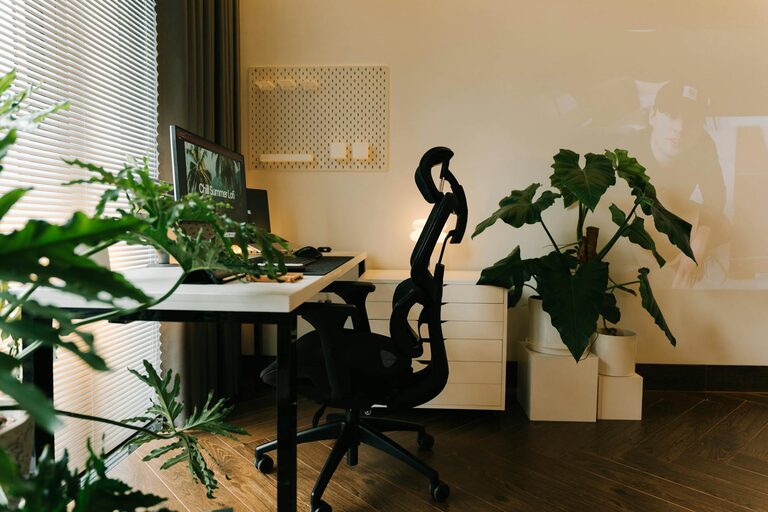
– Ergonomic Chair: Invest in a chair with adjustable height and good back support.
– Desk Height: Your desk should allow your arms to rest comfortably at a 90-degree angle while typing.
– Monitor Position: Place your screen at eye level and about an arm’s length away.
– Foot Support: Use a footrest if your feet don’t comfortably touch the floor.
Taking care of ergonomics can prevent discomfort and tiredness during your workday.
Keep Colours Calming
Colours influence how you feel. For a relaxing atmosphere, choose soothing tones such as:
– Soft greens or blues for calmness
– Neutral shades like beige, cream or pale grey
– Accents of pastel colours for a gentle touch
Avoid bright or harsh hues that could be distracting or overstimulating.
Declutter and Organise
A cluttered space can create mental clutter. Keep your workspace tidy and organised with these ideas:
– Use storage boxes or trays to store stationery and documents neatly.
– Declutter regularly and remove anything not necessary for daily tasks.
– Keep cables organised with clips or sleeves.
– Limit decorative items to a few meaningful pieces.
An organised space helps reduce stress and makes it easier to focus.
Add Personal Touches Wisely
While too much decoration can create distraction, a few personal touches make your workspace feel pleasant:
– A small plant to bring some greenery and fresh air
– Inspirational quotes or artwork you enjoy
– A comfortable cushion or throw for your chair
Choose items that make you smile and feel calm without taking up too much space.
Manage Lighting Well
Good lighting reduces eye strain and makes it easier to work comfortably:
– Use a desk lamp with adjustable brightness for focused tasks.
– Avoid harsh overhead lights; soft diffused lighting is better.
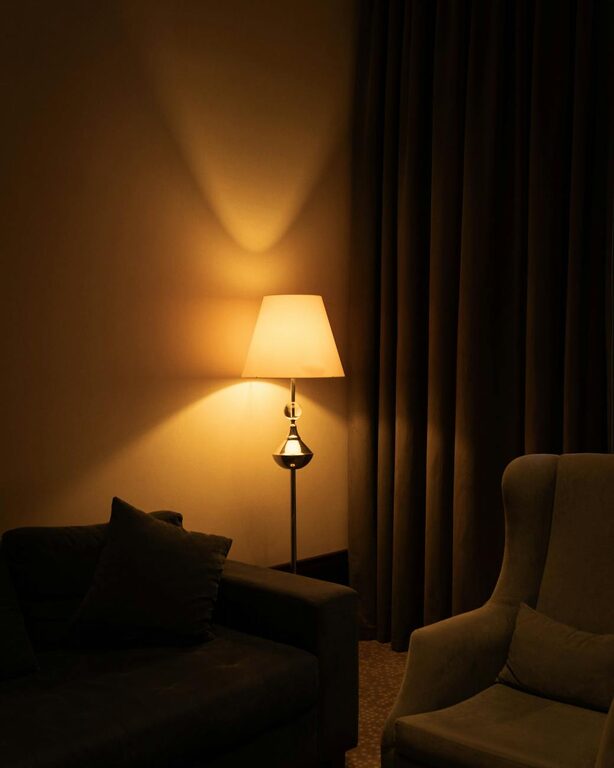
– Consider warm light bulbs for a cosy ambience.
During darker months, layering different light sources can keep the workspace inviting.
Incorporate Soothing Sounds or Silence
Some people work best in silence, while others prefer gentle background noise.
– If you like quiet, consider noise-cancelling headphones.
– Try playing soft instrumental music or nature sounds to create a relaxing auditory environment.
– Avoid loud or fast-paced music which may increase stress or distract you.
Experiment to find what works best for your concentration and calmness.
Take Regular Breaks and Move
No matter how calming your workspace, long hours sitting can be tiring.
– Use timers to remind yourself to stand up and stretch every hour.
– Take short walks or practice simple stretches to improve circulation.
– Drinking water frequently also supports wellbeing.
Breaks help refresh your mind and body, enhancing productivity in the long run.
Use Scents for Relaxation
Scent can influence mood and focus:
– Use essential oil diffusers with calming scents such as lavender, eucalyptus or chamomile.
– Alternatively, scented candles or room sprays can add a subtle fragrance.
– Ensure good ventilation to avoid overpowering smells.
Choose scents that relax you without overwhelming your senses.
Final Thoughts
Creating a relaxing home workspace takes some planning and ongoing care, but the benefits are well worth it. By focusing on comfort, organisation and atmosphere, you can turn your working area into a place where you feel calm and motivated. Start with small changes and customise the space to your preferences. A peaceful workspace supports your wellbeing and helps you be at your best every day.
About the Author