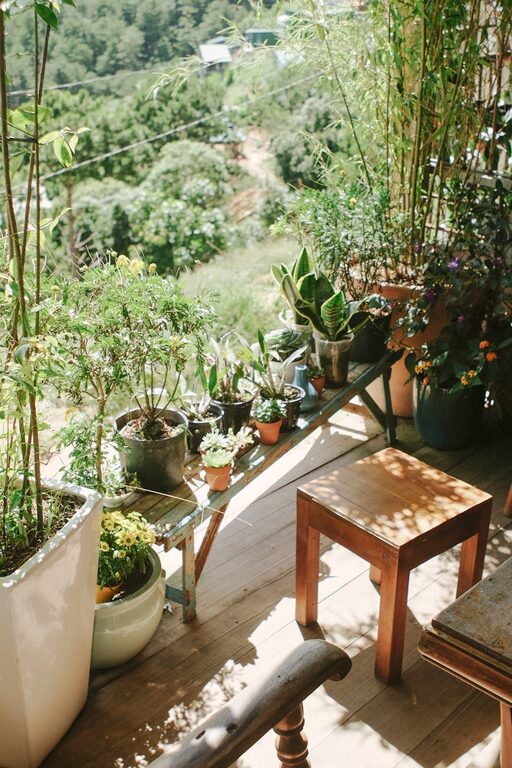
Creating a relaxing garden space at home can be a wonderful way to escape the stresses of daily life and enjoy some peaceful moments outdoors. Whether you have a sprawling garden or just a small patio, with the right approach you can design a calming environment that invites you to slow down and reconnect with nature. In this post, we will explore practical tips to help you turn your outdoor space into a serene retreat.
Why a Relaxing Garden Matters
Spending time outside in a well-designed garden has many benefits. It can boost your mood, lower stress, and improve your overall wellbeing. A calming garden space offers a personal sanctuary for reflection, reading, or simply enjoying the fresh air. Thoughtful planning and simple touches can make all the difference in creating a restful outdoor area.
Planning Your Garden Space
Before you start planting or buying furniture, spend some time planning your garden’s layout and purpose. Consider the following:
– Assess your space: Measure your garden and note sunlight exposure, soil type, and existing features.
– Decide on activities: Think about how you want to use the garden — for quiet relaxation, socialising, meditation, or gardening.
– Choose a style: Consider what garden style feels calming to you, such as natural, minimalist, cottage, or Japanese-inspired.
– Set a budget: This will help you prioritise purchases and DIY projects.
Taking this initial step ensures your garden suits your needs and makes the best use of the available space.
Selecting Plants for Serenity
Plants play a key role in creating a peaceful atmosphere. Here are some tips for choosing plants that promote relaxation:
– Opt for fragrant plants: Lavender, jasmine, and rosemary have soothing scents that can help reduce anxiety.
– Include greenery: A variety of leafy plants adds texture and a calming colour palette.
– Choose easy-care plants: To avoid stress, select low-maintenance options suited to your climate and soil.
– Add water features: Plants near water, such as ferns or water lilies, enhance tranquillity with the sound and sight of water.
– Incorporate seasonal interest: Mix evergreens with flowering plants to keep your garden attractive year-round.
By picking plants intentionally, you create a sensory experience that soothes your mind.
Creating Comfort with Garden Furniture
Comfortable furniture invites you to spend more time outside, relaxing and enjoying the garden. Consider the following points:
– Material choice: Opt for weather-resistant materials like treated wood, metal, or rattan.
– Cushions and throws: Add soft cushions and throws in calming colours to enhance comfort.
– Seating arrangement: Arrange seating to face pleasing views or to offer privacy.
– Shade options: Incorporate umbrellas, pergolas or shade sails to protect from strong sun.
– Flexible furniture: Use lightweight or foldable pieces for easy rearrangement or storage.
Investing in comfortable, practical seating makes your garden a welcoming retreat.
Incorporating Water Features
Water elements provide gentle sounds that promote calmness and mask unwanted noise. Ideas for adding water include:
– Small fountains or bubbling bowls
– Ponds stocked with plants or fish
– Birdbaths that attract wildlife
– Water walls or cascades
Choose a feature that fits your space and maintenance preferences. The sound of flowing water can transform your garden into a peaceful oasis.
Adding Lighting for Ambience
Proper lighting extends the usability of your garden into the evening and adds atmosphere. Suggestions include:
– Soft string lights or fairy lights draped over trees or pergolas
– Solar-powered path lights to illuminate walkways
– Lanterns or candles for a warm, flickering glow
– Spotlights to highlight specimen plants or water features
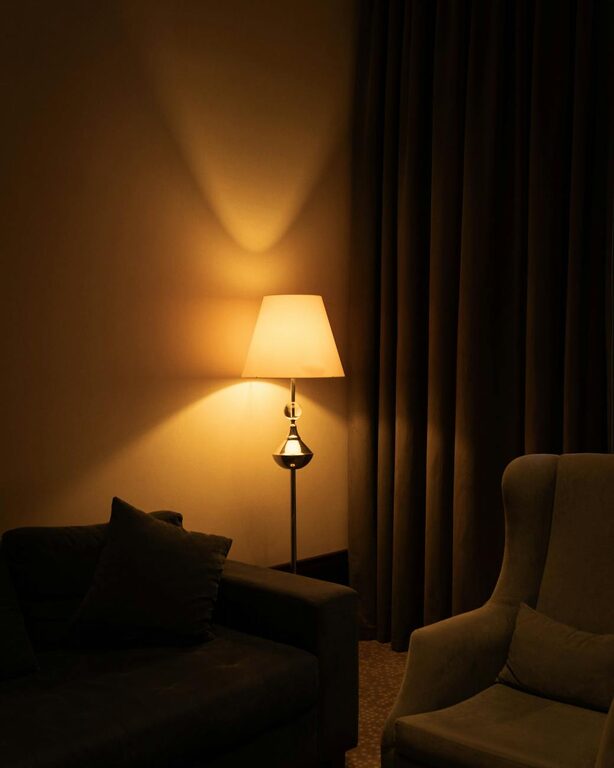
Avoid harsh or overly bright lights to maintain a soothing environment after dark.
Personalising Your Garden
Your garden should reflect your tastes and personality to feel truly relaxing. Some ideas are:
– Include favourite colours through plant choice, cushions or pots
– Add artistic elements like sculptures, wind chimes or garden ornaments
– Incorporate a small herb or vegetable patch for a sense of nurture
– Create a dedicated space for hobbies like reading, yoga, or birdwatching
Personal touches make your garden a special place to return to time and again.
Maintaining Your Garden Space
A well-maintained garden remains inviting and stress-free. Some maintenance tips:
– Regularly prune plants to keep them healthy and neat
– Clear fallen leaves and debris to prevent clutter
– Water plants according to their needs, using mulch to retain moisture
– Clean furniture and refresh cushions seasonally
– Inspect water features for algae or blockages
A little ongoing care ensures your relaxing garden space stays beautiful and enjoyable.
Final Thoughts
Creating a relaxing garden space at home is about combining thoughtful design, comfortable features, and natural elements. By planning your space carefully and choosing features that soothe your senses, you can make your garden a peaceful retreat to recharge and connect with nature. Start small, be patient with plants, and enjoy the process of crafting your own outdoor sanctuary.
About the Author